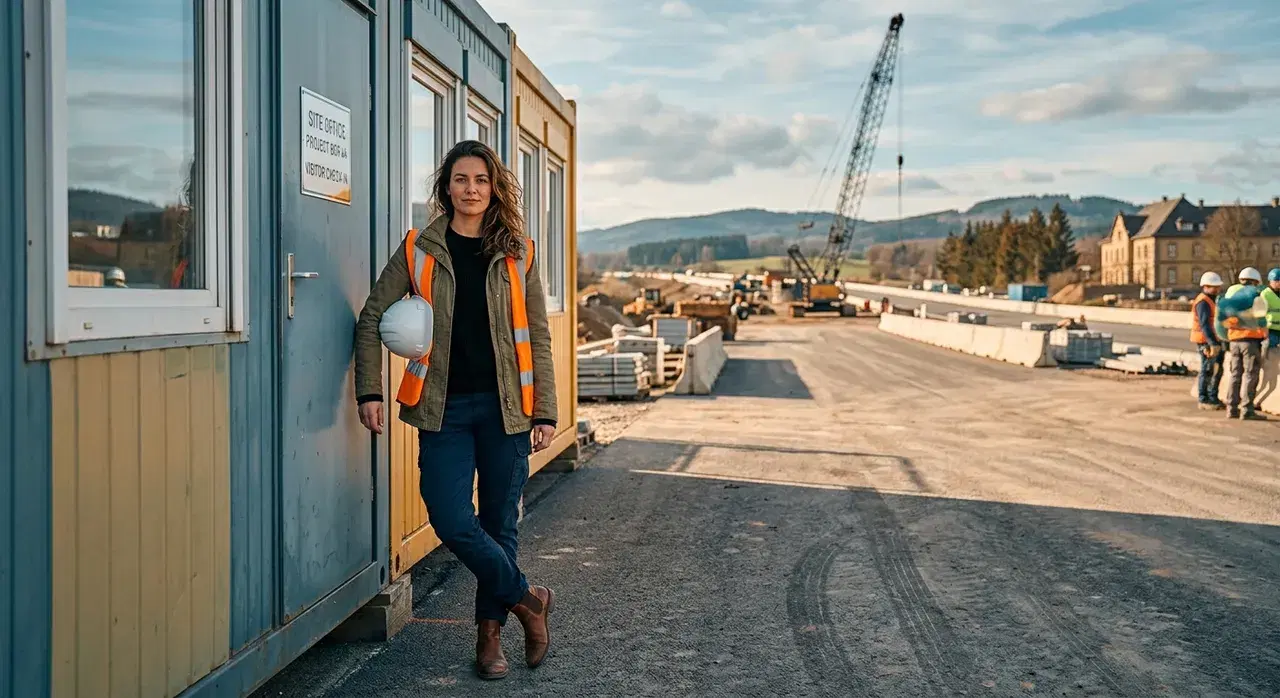

Navigating the Complexity of Construction Claims Following Contract Termination
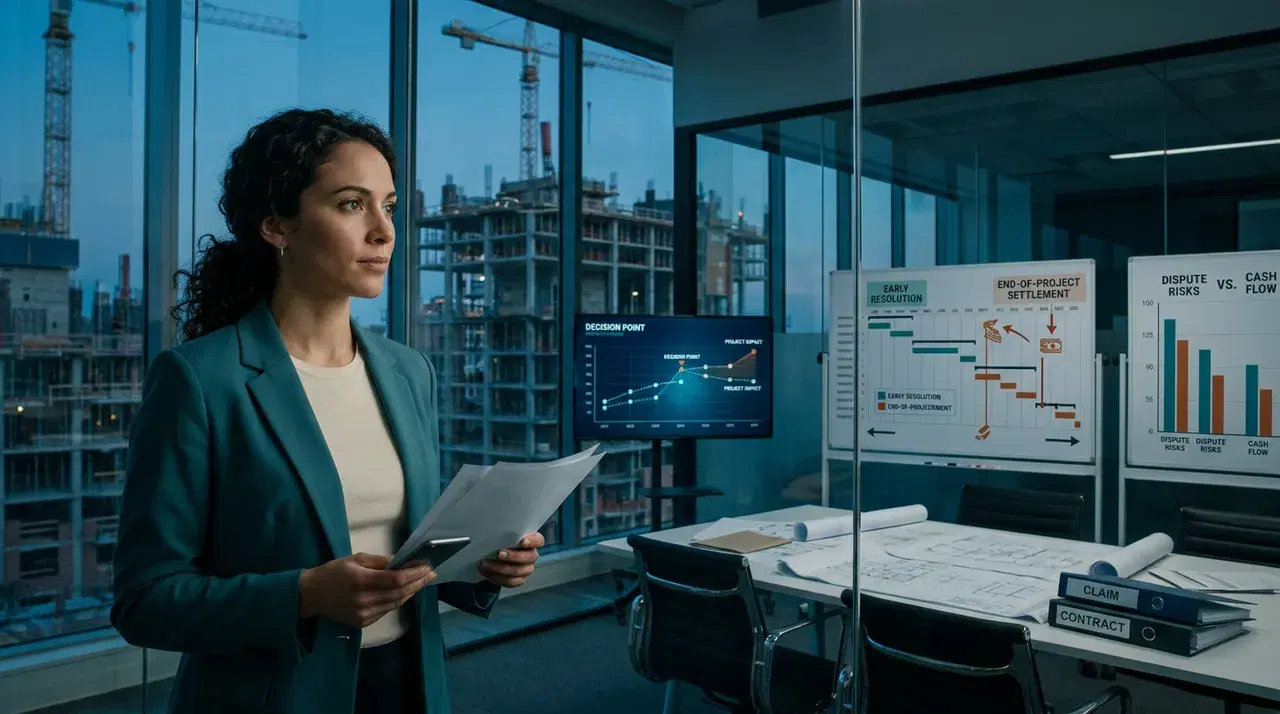
Claims due to contract termination
July 16, 2026·13 min read·Listen
Insights, thoughts and trends in EPCM and AI.

Claims due to contract termination
July 16, 2026·13 min read·Listen

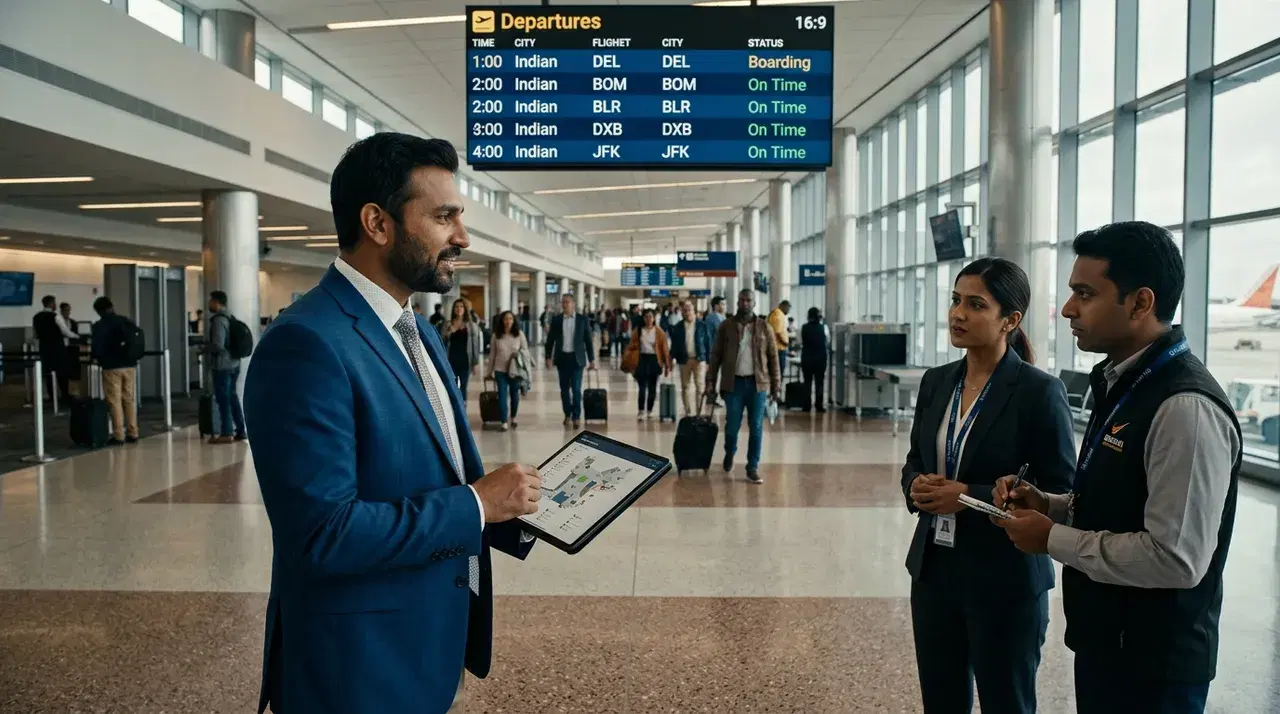
Airside Safety consideration during design and planning stage
July 16, 2026·12 min read·Listen

"Time is of the essence" is a legal term used in contract law to signify that the performance by one party within the time frame specified in the contract is a critical element of the agreement. Under common law, performance time was not traditionally considered a material term of a construction contract unless explicitly stated by the parties. This blog discusses practical implication of "Time is of the Essence" in construction contracts with Indian Case Law Examples.
July 16, 2026·15 min read

Claims prevention involves proactive measures taken throughout the lifecycle of a construction project to avoid disputes and minimize the risk of claims. These measures can be implemented during the design phase, contract preparation, and construction execution. The blog aims to identify potential issues early and address them before they escalate into formal claims.
July 16, 2026·30 min read

At its core, Terminal Level of Service (LOS) is a qualitative measure that systematically quantifies the passenger experience within a terminal's various facilities. It is a methodology designed to translate subjective feelings of comfort, convenience, and efficiency into a standardized, measurable system that can be used for planning and operational management. The International Air Transport Association (IATA) provides a globally recognized framework that defines LOS across several categories,
July 16, 2026·27 min read

Monte Carlo simulation provides a sophisticated, probabilistic approach to evaluating schedule uncertainties, enabling project teams to move beyond traditional deterministic methods. By incorporating high-quality data, appropriate statistical distributions, and leveraging advanced software platforms like Primavera or Microsoft Project, organizations can generate realistic project forecasts, identify critical risk drivers, and facilitate more informed decision-making.
July 16, 2026·33 min read

Control accounts act as the intersection where project scope is aligned with cost budgets and resource allocations, governed by a structured Work Breakdown Structure (WBS) and Organizational Breakdown Structure (OBS). Best practices emphasize the need for a dynamic and iterative approach to project controls, wherein continuous planning and adjustments are made to address real‑time project challenges. Successful project management necessitates an iterative and concurrent approach to cost and schedule planning to ensure that all project variables are harmonized. By doing so, project managers are better equipped to predict potential risks, allocate resources efficiently, and adjust plans based on real-time performance data.
July 16, 2026·11 min read

Traditional governance models, which may suffice for smaller projects, frequently falter under the complex, interconnected, and dynamic nature of megaprojects.. This blog will explore how specialized governance structures—rooted in rigorous front-end decision processes, stakeholder engagement, transparent risk management, and continuous learning—are crucial for success
July 16, 2026·25 min read

As megaprojects continue to grow in scale and complexity, grappling with challenges like new infrastructure and energy requirements, decarbonization, digitalization, and global supply chain volatility, the need for high caliber of leadership will only intensify. Throughout this blog, we will explore the leadership capabilities in depth, examining the multifaceted responsibilities that define a successful megaproject leader.
July 16, 2026·15 min read

Sheer scale, complexity, and stakeholder involvement introduce a unique set of challenges that require a delicate balance between pioneering innovation and prudent risk management in a megaproject setting. This blog explores the dual-edged nature of innovation in megaprojects, emphasizing how project leaders can harness breakthrough technologies and methodologies while safeguarding against potential hazards.
July 16, 2026·20 min read

At its core, building commissioning verifies that systems are designed, installed, tested, operated, and maintained according to the operational requirements of the developer, owner, or end user. This process begins during the predesign phase and continues through design, construction, and into the occupancy and operations phase. With careful planning, team coordination, and a commitment to ongoing commissioning, new construction projects can achieve exceptional performance and long-term success. This blog covers new building commissioning process in full detail.
July 16, 2026·21 min read

Airport master planning is far more than just a technical exercise in building longer runways or bigger terminals; it is the art and science of creating a comprehensive, long-term blueprint that harmonizes complex operational needs, stark financial realities, vital community interests, and essential environmental stewardship for decades to come.
July 16, 2026·25 min read

Professional indemnity insurance serves as a critical safety net for professionals, protecting them against potential liabilities that may arise from errors, omissions, or breaches of duty. This specialized form of insurance provides vital financial protection, particularly in industries where the consequences of professional mistakes can be severe and far-reaching. As professional standards continue to evolve and legal expectations expand, understanding the intricacies of professional indemnity insurance has become increasingly important for practitioners across various sectors.
July 16, 2026·17 min read